Kailua Neighborhood Guide: What Living Here Feels Like
May 14, 2026
May 14, 2026
If you picture Kailua as just a pretty beach town, you are only seeing part of the story. Everyday life here is shaped by routines, traffic patterns, errands, parking realities, and the steady rhythm of living in one of Oahu’s most in-demand coastal communities. If you are thinking about moving to Kailua or simply want a more honest feel for the area, this guide will help you understand what daily life really looks like. Let’s dive in.
Kailua is home to 40,514 residents across 7.77 square miles of land, which gives it a real residential feel rather than a vacation-only identity. Census data also shows that 88.3% of residents lived in the same house a year earlier, which points to a relatively stable community.
That sense of stability shows up in the housing mix and daily pace. With a 72.3% owner-occupied housing rate, Kailua leans heavily toward long-term residents rather than short-term turnover.
In Kailua, the beach is not just a weekend activity. It is part of the daily routine for many people, whether that means an early walk, a swim, or time outside before or after work.
Kailua Beach Park is the area’s main outdoor anchor. A Hawaii Sea Grant study estimated average daily site use at 1,791 people, with activity building from before dawn to a midday peak and then tapering off after sunset.
The same study found that swimming and sunbathing were the most common activities. It also showed strong repeat use, with more than 27% of respondents visiting more than 10 times and more than 31% visiting more than 50 times, which reinforces how much the beach is woven into regular life here.
Living near a popular shoreline sounds ideal, but it also comes with real logistics. The Sea Grant study found that 86% of visitors to Kailua Beach Park arrived by car, and local residents were more dissatisfied with parking than visitors.
That matters because parking pressure is not just a holiday problem. It is part of how daily life works in a place where the beach draws both residents and day-trippers.
The city has also noted significant erosion on the Lanikai side of Kailua Beach Park and is coordinating dune restoration work with state and community partners. In practical terms, shoreline care is part of the local reality, not something happening in the background.
Lanikai is often part of the Kailua conversation, but everyday use there is more limited than many people expect. According to the city’s 2025 transportation plan, public roadway access to Lanikai is limited to one roadway.
There are no public parking lots for Lanikai Beach. The same plan says there are also no restrooms, showers, or lifeguards along the half-mile beach.
The Lanikai Pillbox trail has similar limitations. The city says the trail starts from private property and has no parking or restroom support at the trailhead, so a quick stop there can take more planning than people realize.
One of the most practical parts of living in Kailua is having a real town center for day-to-day needs. Kailua Town’s official site says the district includes more than 125 shops, restaurants, activities, and services.
That kind of setup supports a lifestyle where errands, coffee, meals, and small stops can happen in the same area. It helps the neighborhood feel functional and local, not just scenic.
The town site also lists three-hour complimentary self-parking at its shopping centers. Public restrooms are available at Lau Hala Shops and Kailua Beach Center, which adds convenience when you are spending part of the day in town.
Kailua’s daily rhythm is not only about beaches and errands. Regular community events also shape how the area feels from week to week.
The official town calendar shows a weekly farmers market at the Kailua Town Center parking lot by Longs CVS and UFC Gym, hosted by the Hawaii Farm Bureau. That kind of recurring event supports a routine that feels neighborhood-based and easy to plug into.
For many buyers, this is an important part of the lifestyle picture. You are not just choosing a home near the coast. You are choosing a place where everyday stops and weekly habits can feel connected.
Kailua has transit access, but daily movement is still strongly shaped by driving. If you are comparing Oahu communities, that is an important lifestyle factor to weigh.
The city’s transportation plan says TheBus Route 671 connects Kailua Town to Lanikai by way of Kailua Beach Park. It runs about every 40 minutes on weekdays, weekends, and holidays between 6:00 a.m. and 7:30 p.m.
That service can be useful, but it does not fully replace the convenience of a car for many households. Between beach access, errands, and the area’s parking constraints, transportation choices can shape your daily experience more than you might expect.
Kailua offers a strong sense of place, but that comes at a high price point. Census data lists the median owner-occupied home value at $1.3537 million and the median gross rent at $3,093.
Those numbers matter because housing cost affects more than your monthly payment. It can influence the type of home you consider, how much space you get, and whether Kailua fits your long-term plans.
The median household income in Kailua is $148,582, which helps provide context for the local market. For buyers and renters alike, this is a community where budgeting carefully is a big part of the decision.
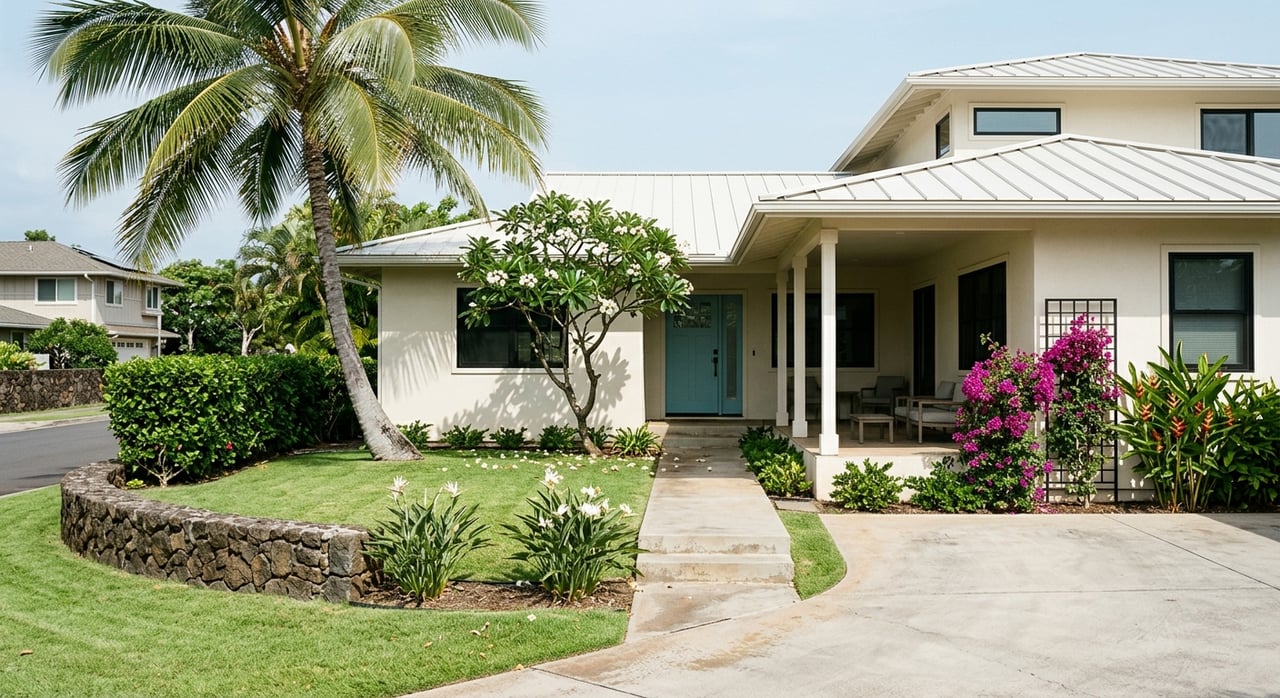
Part of Kailua’s character comes from its housing pattern. Historical ACS housing profiles for Kailua showed that roughly three-quarters of housing units were one-unit detached homes, which supports the area’s low-rise, primarily single-family feel.
That does not mean every option looks the same. The city’s housing department also lists a planned four-story, 42-unit affordable rental project at 734 and 735 Kihapai Place, showing that some newer multifamily infill is part of the evolving housing picture.
For you as a buyer, that means Kailua can offer different property types, but the overall feel remains more residential and spread out than dense and urban. That distinction is often a big part of why people are drawn to the area in the first place.
Lifestyle is not only about where you spend your free time. It is also about how your workday flows and how easy it feels to get through an average week.
Census data shows a mean commute time to work of 29.1 minutes in Kailua. Household size averages 2.90 people, which may also help you picture the area as a place where people are building day-to-day routines, not just passing through.
If you are planning a move, these details can be just as helpful as home prices. They give you a more complete view of what life may feel like after the excitement of move-in day.
One of the clearest truths about Kailua is that you will be sharing a very popular coastal place with many other people. The Sea Grant study found that only 14% of non-Hawaii residents visiting Kailua were staying overnight in Kailua, which suggests much of the outside activity is day-trip based.
That helps explain why congestion and parking can become such visible parts of daily life. The city has even used temporary holiday parking restrictions in Kailua and Lanikai to reduce pressure during busy periods.
For some buyers, that trade-off is absolutely worth it. For others, it is something to think through carefully before choosing a home in this part of Oahu.
At its core, everyday life in Kailua means balancing natural beauty with practical realities. You get beach-centered living, a compact and useful town core, and a community that feels established and residential.
At the same time, you need to be comfortable with high housing costs, limited parking in key areas, and the fact that popularity shapes traffic and access. Kailua is not just beautiful. It is a real place with routines, trade-offs, and a distinct pace of life.
If you are trying to decide whether Kailua fits your goals, it helps to look beyond the postcard version. When you understand how the area actually works day to day, you can make a more confident move for your lifestyle, budget, and future plans.
If you want help comparing Kailua with other Oahu neighborhoods or figuring out which type of home fits your needs, Jasmin Cadiz can help you navigate the process with clear guidance and local insight.
Stay up to date on the latest real estate trends.
I am committed to guiding you every step of the way—whether you're buying a home, selling a property, or securing a mortgage. Whatever your needs, I've got you covered.
Jasmin Cadiz
91-1010 Shangrila St Ste 307 Kapolei HI 96707