Kapolei vs Ewa Beach Homes: Which Neighborhood Fits?
June 18, 2026
June 18, 2026
Trying to choose between Kapolei and Ewa Beach? You are not alone. Many buyers start with both on their shortlist because each offers a strong West Oahu lifestyle, but the day-to-day experience can feel very different depending on what matters most to you. If you want clearer direction before touring homes, this guide will help you compare housing style, commute patterns, convenience, and neighborhood feel so you can move forward with confidence. Let’s dive in.
Kapolei and Ewa Beach are both part of West Oahu’s growing residential and employment corridor. City planning and transit investment continue to shape the area, including ongoing improvements and Skyline service running from East Kapolei to Kalihi Transit Center.
That shared location is why these two places often come up in the same home search. Even so, they are not interchangeable. Each area supports a different kind of daily routine, and that difference can matter just as much as price.
Kapolei is planned as the urban core for the Secondary Urban Center. In practical terms, that means a stronger mix of residential, business, civic, and shopping uses in one area.
The city also positions Kapolei as the place expected to handle much of the region’s shopping and service activity. That planning focus helps explain why many buyers see Kapolei as the more central, mixed-use option.
If you like having errands, services, and public facilities close together, Kapolei may stand out right away. The area around the Kapolei Transit Center includes Kapolei Hale, the State Building, Costco, Home Depot, and other everyday destinations.
The city is also planning the new transit center as a broader mobility hub. That includes room for bus routes, transfers, pedestrians, bicycles, scooters, and passenger amenities, which supports a more connected daily routine.
Ewa Beach is shaped more as a network of residential communities connected by open space, greenways, and shoreline access. The planning vision emphasizes a more coastal and neighborhood-oriented setting rather than an urban-style center.
That difference often shows up in how the area feels as you drive through it. Instead of one main downtown-type hub, Ewa Beach is supported by a collection of local-serving community centers and residential areas.
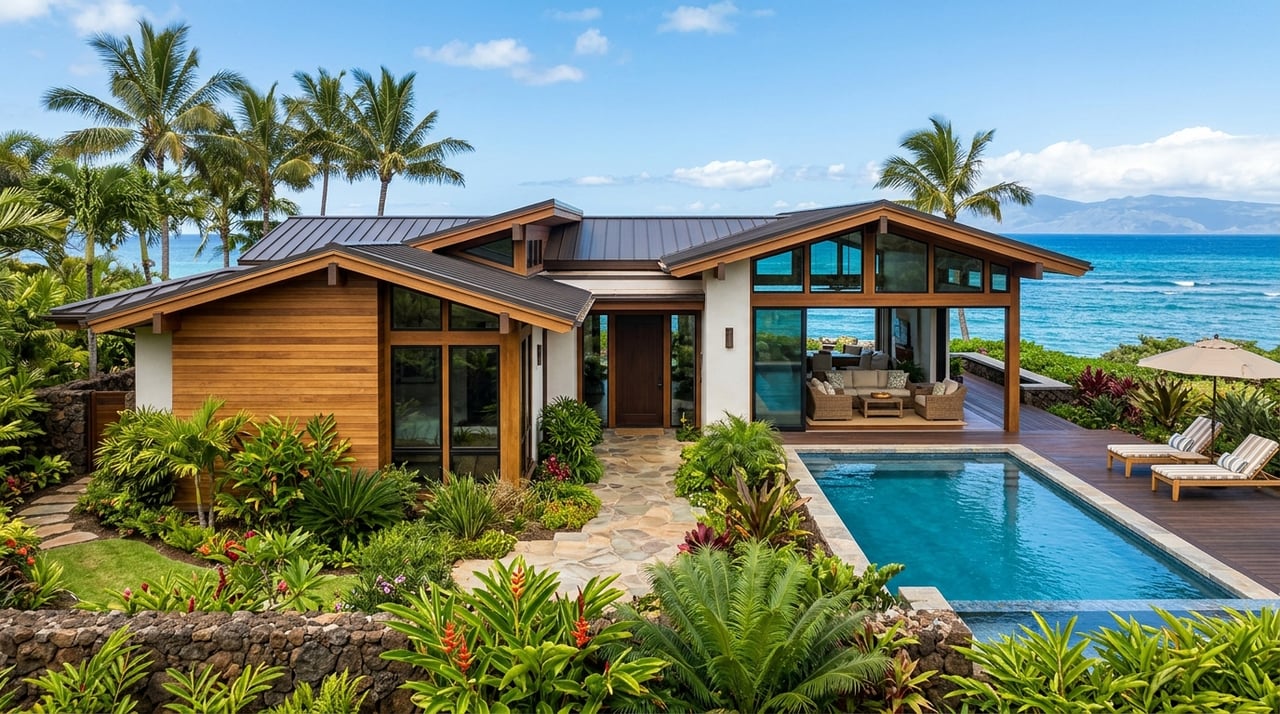
If you picture a lower-rise neighborhood setting with access to shoreline features, Ewa Beach may be a better fit. Planning documents highlight beaches, boating, ocean access, a shoreline walkway, marinas, and golf courses along the coastline.
For many buyers, that translates into a more residential rhythm. You may still have convenient places for errands and dining nearby, but the overall structure is less urban-core and more community-based.
One of the biggest differences between Kapolei and Ewa Beach is the kind of housing pattern each area supports. Kapolei’s planning framework allows for a wider range of housing intensity, especially around mixed-use and city-center areas.
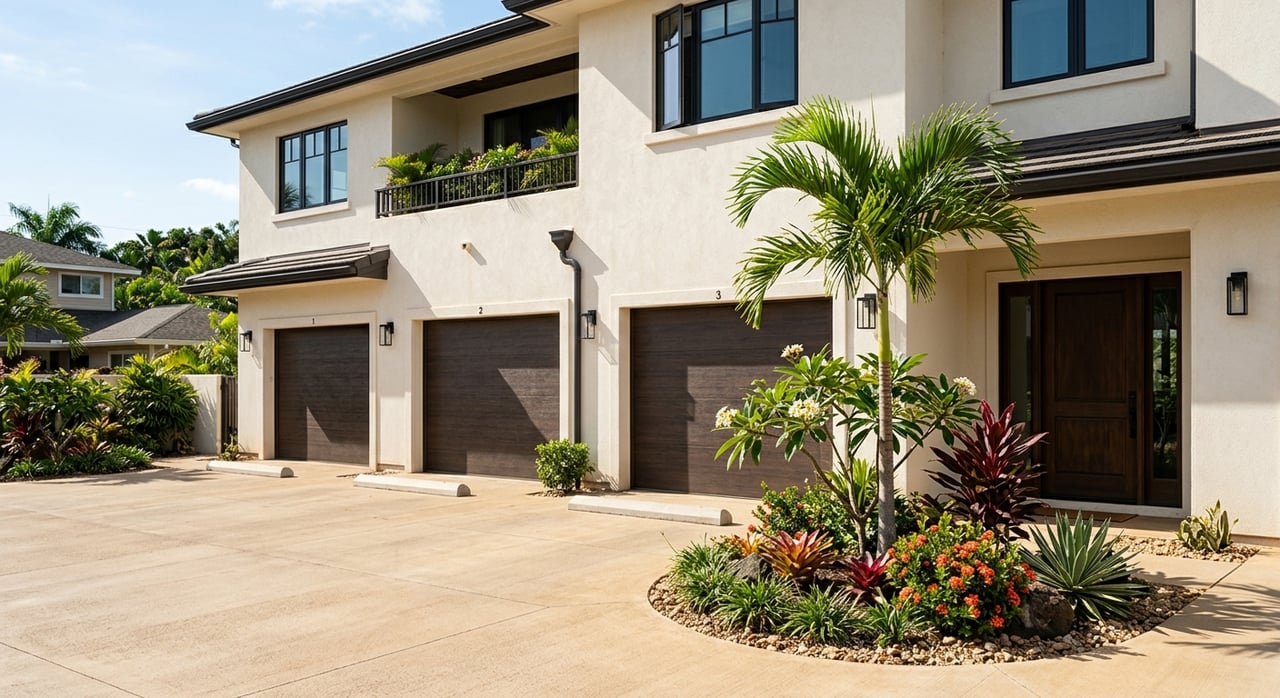
That can mean more apartments, townhomes, and mixed-use residential options near central destinations and transit-oriented areas. Buyers who want a more compact or connected setup often appreciate that range.
Ewa Beach leans more clearly toward low-rise residential development. The area includes one- and two-story attached and detached dwellings, along with low-rise apartments and single-family homes.
If your goal is a more traditional suburban-scale home environment, Ewa Beach may align better with what you are picturing. It is especially worth a closer look if property style is one of your top decision points.
Some buyers assume one area is clearly more affordable than the other. The Census data suggests the gap is smaller than many people expect.
Kapolei’s 2020 to 2024 median value for owner-occupied housing units is $744,200. Ewa Beach comes in at $748,800.
That does not mean every listing will be priced similarly. It does mean your decision may come down less to the area name alone and more to the specific neighborhood, property type, condition, and layout that best fits your needs.
When buyers compare these two areas, convenience often becomes the deciding factor. Kapolei has the stronger case if you want a more centralized setup for shopping, services, and civic destinations.
The city’s planning documents specifically support Kapolei as the area’s major regional shopping center. That reinforces its role as the place where many day-to-day needs can be handled in one broader hub.
Ewa Beach works differently. Its commercial centers are more distributed across surrounding communities, including places like Laulani, Ho'opili, East Kapolei, and nearby neighborhood-serving areas.
For some buyers, that is a plus. If you prefer a more residential environment with local centers woven into daily life, Ewa Beach may feel more comfortable and less urban in character.
If commute time is a major priority, this is one of the most important parts of your decision. Both Kapolei and Ewa Beach connect into the same West Oahu transit conversation through Skyline and TheBus.
Kualaka‘i Station serves Kapolei, Makakilo, Ewa Beach, and nearby residential areas. Keone‘ae Station serves UH West Oahu and surrounding areas, and both stations connect to bus service for Kapolei, Ewa Beach, and West Loch.
Rail travel times help show how both areas tie into the west-to-town transit spine. From Kualaka‘i Station, travel time is listed at 38 minutes to Downtown and 42 minutes to Ala Moana. From Keone‘ae Station, travel time is 36 minutes to Downtown and 40 minutes to Ala Moana.
Those are rail times, not driving times, but they still offer useful context. If you want stronger alignment with transit and a slightly shorter average work trip, Kapolei has an edge based on available Census and transit data.
Kapolei’s mean travel time to work is 31.2 minutes. Ewa Beach’s mean travel time to work is 38.0 minutes.
That difference will not define every household’s experience, but it gives you a practical lens for your search. If your schedule is tight or you expect to travel often across the island, a shorter average commute may carry more weight.
Census figures also show a few small profile differences between the two areas. Kapolei has an owner-occupied rate of 76.5% and a median household income of $128,324.
Ewa Beach has an owner-occupied rate of 72.9% and a median household income of $124,323. Census data also indicates a larger average household size in Ewa Beach, which may be useful context if you are planning for a multigenerational household or simply want more flexibility in how space is used.
These numbers are not a scorecard. They are simply another way to think about how each area may align with your lifestyle and space needs.
If you are still deciding, focus on how you want your week to feel, not just how your showing schedule looks. The right choice usually becomes clearer when you think about routine, home style, and commute tolerance together.
There is no one-size-fits-all winner between Kapolei and Ewa Beach. Kapolei often fits buyers who want convenience, mixed-use access, and stronger transit alignment, while Ewa Beach often appeals to buyers looking for a more residential and coastal setting.
The good news is that both belong to the same fast-evolving West Oahu story. If you are weighing your options, the most helpful next step is to compare homes in both areas with your real routine in mind, including commute, errands, home style, and the kind of neighborhood setting you want to come home to.
If you are ready to compare Kapolei and Ewa Beach with local guidance tailored to your goals, Jasmin Cadiz can help you narrow your options, understand the neighborhoods, and move forward with clarity.
Stay up to date on the latest real estate trends.
I am committed to guiding you every step of the way—whether you're buying a home, selling a property, or securing a mortgage. Whatever your needs, I've got you covered.
Jasmin Cadiz
91-1010 Shangrila St Ste 307 Kapolei HI 96707