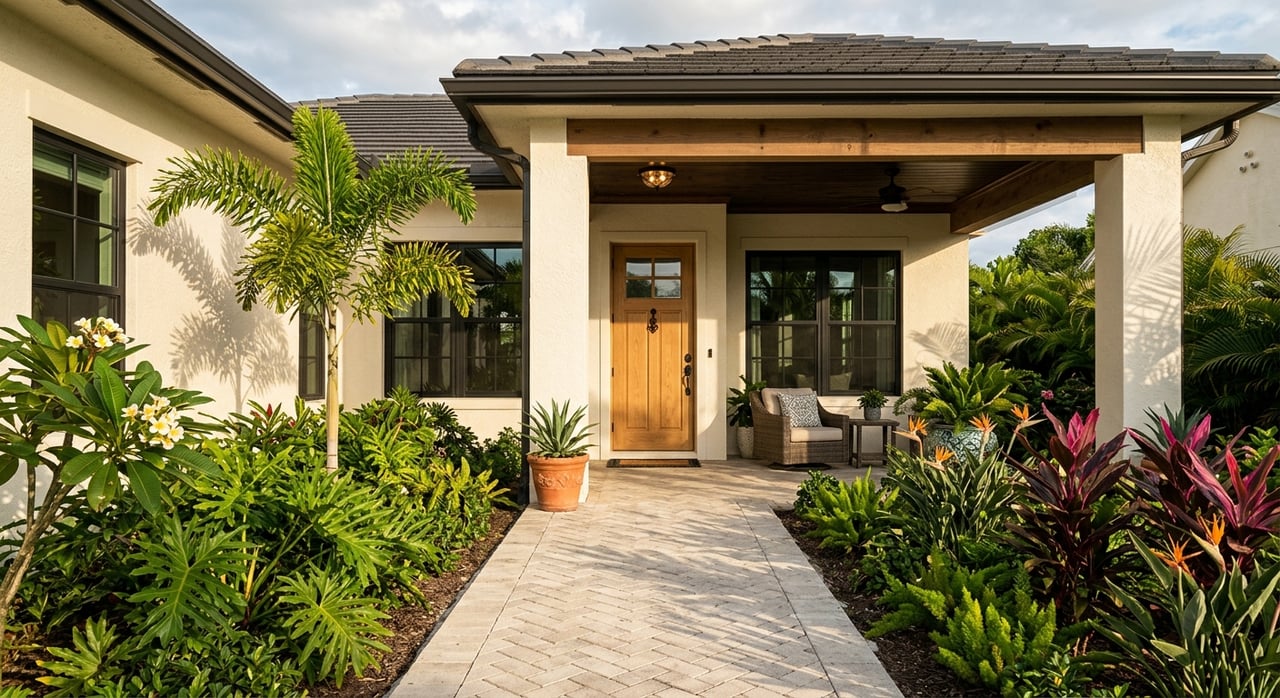
Living in Ewa Beach: What Daily Life Feels Like
July 16, 2026
July 16, 2026
If you are thinking about living in Ewa Beach, you are probably asking a simple question with a lot behind it: What does daily life there really feel like? That matters whether you are buying your first home, relocating across Oahu, or trying to find a neighborhood that fits your routine. Ewa Beach offers a sunny leeward setting, a strong residential feel, and a mix of older local character and newer planned communities. Let’s dive in.
Ewa Beach has a more residential feel than urban feel. Census data show 16,415 residents, a 72.9% owner-occupied housing rate, and an average household size of 4.2. Those numbers point to an area where ownership is common and many households need room to live, gather, and grow.
The community is also culturally mixed and multilingual. According to Census data, 35.3% of residents speak a language other than English at home, while the population includes residents who identify as Asian alone, Native Hawaiian and Other Pacific Islander alone, and two or more races. In everyday life, that gives Ewa Beach a local, multigenerational, and diverse character.
Ewa Beach sits on Oahu’s leeward side, which generally means sunnier and drier conditions than many windward areas. The National Weather Service describes Hawaii’s climate as mild year-round, with trade winds shaping local conditions and rainfall varying a lot over short distances.
For many residents, that translates to a lifestyle built around outdoor time. Beach access, shoreline parks, and neighborhood recreation are part of the rhythm here. If you enjoy a setting where sunshine is a big part of daily life, Ewa Beach often appeals for that reason.
One of the most important things to know is that Ewa Beach does not feel like one single neighborhood. It is better understood as several areas with different housing styles, planning patterns, and day-to-day experiences.
Some parts of Ewa Beach reflect older plantation-era roots. Other parts are tied to newer master-planned communities with associations, common areas, and newer home options. That variety can be a real advantage if you want choices in both style and lifestyle.
The older core, including Ewa Villages, tends to offer a more historic and locally rooted feel. The City’s Ewa Development Plan emphasizes preserving village character, adapting historic structures for reuse, and enhancing neighborhood parks and local-serving spaces.
If you are drawn to areas with more established character, this part of Ewa Beach may feel different from the newer communities nearby. It reflects a more traditional pattern rather than a newer subdivision layout.
Ewa by Gentry is one of the better-known master-planned areas in the broader Ewa community. The association describes multiple subdivisions with common-area maintenance, design rules, social events, two community centers, a swimming pool, and three large parks.
This type of setting often appeals to buyers who want structured neighborhood planning and shared amenities. Home options shown by Gentry include both single-family homes and townhomes, which can give buyers flexibility depending on budget and space needs.
Ocean Pointe represents another newer housing option in the area. Its association says the community began welcoming homeowners in 1998 and now includes 2,536 units made up of single-family homes, paired homes, and townhouses.
The community also describes itself as walkable, with landscaping and a traditional neighborhood feel. For buyers who want newer construction patterns and a range of attached and detached housing types, Ocean Pointe is often part of the conversation.
Hoakalei sits on the more resort-influenced end of the spectrum. The community describes itself as a 726-acre master-planned resort community near the Pacific Ocean, with homes inspired by traditional island design, a golf-course setting, and future Wai Kai recreation and entertainment amenities.
Kuapapa residences are described as being above Oneula Beach Park with ocean views. If you are looking for a newer planned environment with a stronger coastal and amenity-driven feel, this area offers a distinct version of Ewa Beach living.
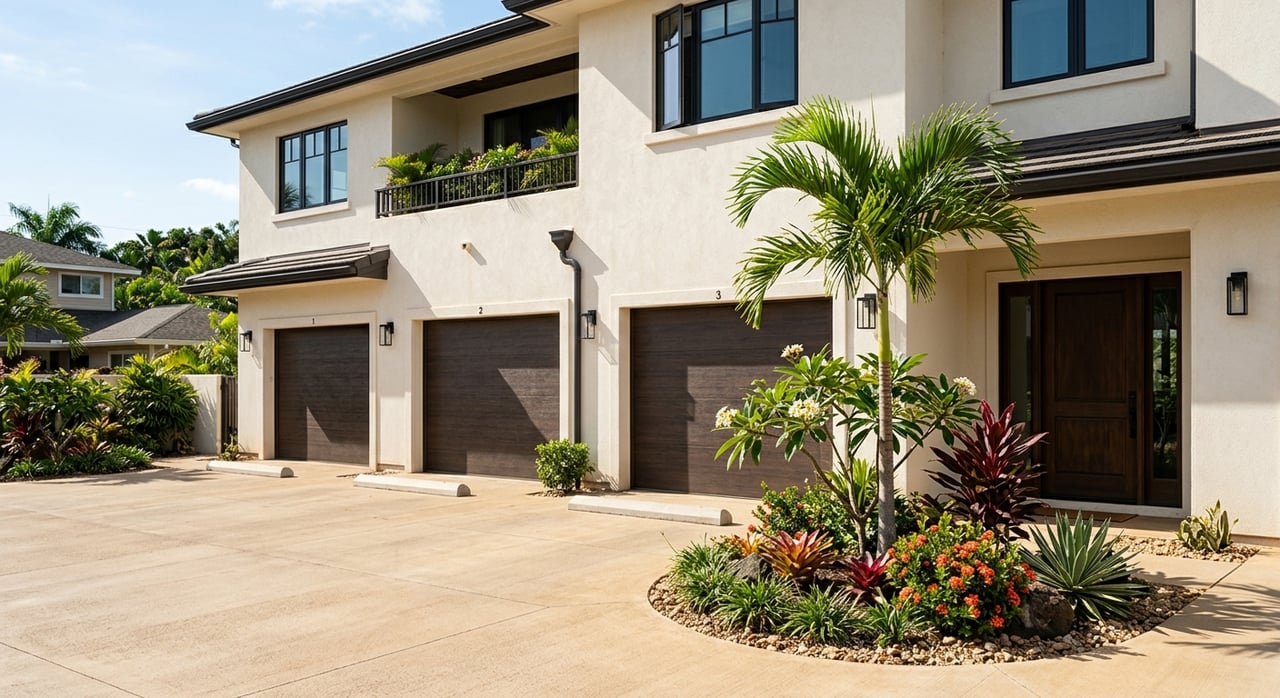
Ewa Beach offers a broad mix of home types rather than a single standard product. Depending on where you look, you may find older homes in established areas, as well as single-family homes, paired homes, townhomes, and other association-managed properties in newer neighborhoods.
That matters because your experience can vary a lot by location. Some buyers prefer the character of older neighborhoods, while others want the consistency and amenities that often come with master-planned communities.
Most daily errands in Ewa Beach center around Fort Weaver Road and nearby shopping areas. Ewa Town Center, located at 91-1401 Fort Weaver Road, describes itself as a nearly 80,000-square-foot shopping center with Foodland, Longs Drugs, Aloha Petroleum, banks, restaurants, and other services.
Other retail destinations that shape everyday life in the area include Ewa Beach Town Center, Laulani Shopping Center, Ka Makana Alii, and Kapolei Commons. In practical terms, that means many residents can handle regular errands, groceries, dining, and basic services without needing to head into Honolulu.
Outdoor access is a major part of what living in Ewa Beach feels like. The City’s Ewa Development Plan identifies shoreline parks at Tracks, Kahe Point, Barbers Point, Oneula, Ewa Beach, and West Loch, and it notes that Oneula Beach Park is planned for expansion.
Inland recreation also plays a big role. Ewa Mahiko District Park and Ewa Beach Community Park are important community spaces, and city materials show Ewa Mahiko as a gym-and-swimming-pool park while both parks serve as active sports venues.
If you picture weekends with beach stops, park visits, and outdoor time close to home, Ewa Beach supports that kind of routine. For many residents, those spaces are part of regular life, not just occasional outings.
Ewa Beach has a day-to-day rhythm shaped by neighborhood institutions rather than a downtown center. The Ewa Beach Public and School Library on North Road hosts activities such as mahjong, chair exercises, and family story time.
James Campbell High School, also on North Road, advertises academies, AP and early-college pathways, NJROTC, and AVID. Together, the library, schools, parks, and shopping areas help create a routine that feels community-based and practical.
Transportation is one of the biggest practical factors to think through before you move. Fort Weaver Road is the main spine connecting West Loch, Ewa Villages, Ewa by Gentry, Ocean Pointe, Hoakalei, and Ewa Beach with Farrington Highway and H-1.
The area’s road system reflects real commuter demand. HDOT’s Farrington Highway widening project covers about three miles and adds a two-way turn lane, bike lanes, and sidewalks.
Public transit is also part of the picture. TheBus lists Route 42 Ewa Beach-Waikiki, Route 44 Waipahu-Ewa Beach, and Route 47 Keoneae UH West Oahu-Ewa Beach, and Route 42 serves the Ewa Beach Transit Center.
Ewa Beach can feel fairly self-contained for daily errands, but commuting is still an important tradeoff. Census data put the mean travel time to work at 38.0 minutes.
That does not mean the area is the wrong fit. It simply means your work location, hours, and tolerance for drive time should be part of your decision. If you want newer housing, local shopping, and shoreline access, Ewa Beach may offer a lot of value, but it is wise to weigh that against your regular commute.
Ewa Beach may be a strong fit if you want a residential setting, a sunnier leeward location, and a mix of housing options. It can also appeal if you like the idea of living near parks, shoreline areas, and daily conveniences concentrated around local shopping centers.
It may be especially worth exploring if you are choosing between attached and detached homes, comparing older neighborhood character with newer master-planned living, or looking for more space in West Oahu. Because the area includes several distinct neighborhood styles, it helps to tour with a clear sense of your priorities.
If you are considering a move to Ewa Beach, the best next step is to match your budget, commute needs, and preferred home style with the right part of the community. If you want clear local guidance as you compare neighborhoods in West Oahu, Jasmin Cadiz is here to help.
Stay up to date on the latest real estate trends.
I am committed to guiding you every step of the way—whether you're buying a home, selling a property, or securing a mortgage. Whatever your needs, I've got you covered.
Jasmin Cadiz
91-1010 Shangrila St Ste 307 Kapolei HI 96707