What Kapolei Sellers Should Know Before Listing
July 23, 2026
July 23, 2026
Thinking about listing your Kapolei home soon? Before you pick a price or book photos, it helps to know that today’s market rewards preparation more than guesswork. If you understand how Kapolei buyers are comparing homes, what documents they expect, and why the first days on market matter so much, you can make smarter decisions from the start. Let’s dive in.
One of the biggest mistakes sellers make is treating Kapolei like one simple market. It is not. Detached homes and condos are moving on different timelines, and buyers are responding to each property type in different ways.
In Honolulu Board of Realtors data from May 2026, single-family homes across Oahu sold in a median of 13 days, while condos took a median of 43 days. About 35% of single-family homes closed above original asking price, compared with 9% of condos. That gap matters if you are trying to set expectations for timing and pricing.
The median sales price in that same report was $1,166,000 for single-family homes and $520,000 for condos. At the year-end 2025 level, sellers received a median 98.3% of original asking price for single-family homes and 96.6% for condos. That tells you something important: buyers are still active, but realistic pricing still wins.
Kapolei-specific numbers can look very different from the broader Oahu picture. A May 2026 local MLS snapshot showed Kapolei year-to-date median pricing around $820,000 for single-family homes and $533,000 for condos. Nearby Ewa Plain was higher at $940,000 for single-family homes and $607,000 for condos year-to-date.
That does not mean one community is simply better than another. It means buyers compare your home against nearby options, property type, condition, monthly costs, and location features all at once. In some Kapolei subcommunities, only a handful of sales closed in a month, so monthly medians can swing fast and should be treated as directional rather than final.
A strong list price should come from recent local comps, not from a headline median or a hopeful target. Buyers can quickly spot when a home feels overpriced, especially when they are comparing condos to condos or detached homes to detached homes nearby. If your price and presentation line up, you give your listing a better chance to earn strong early interest.
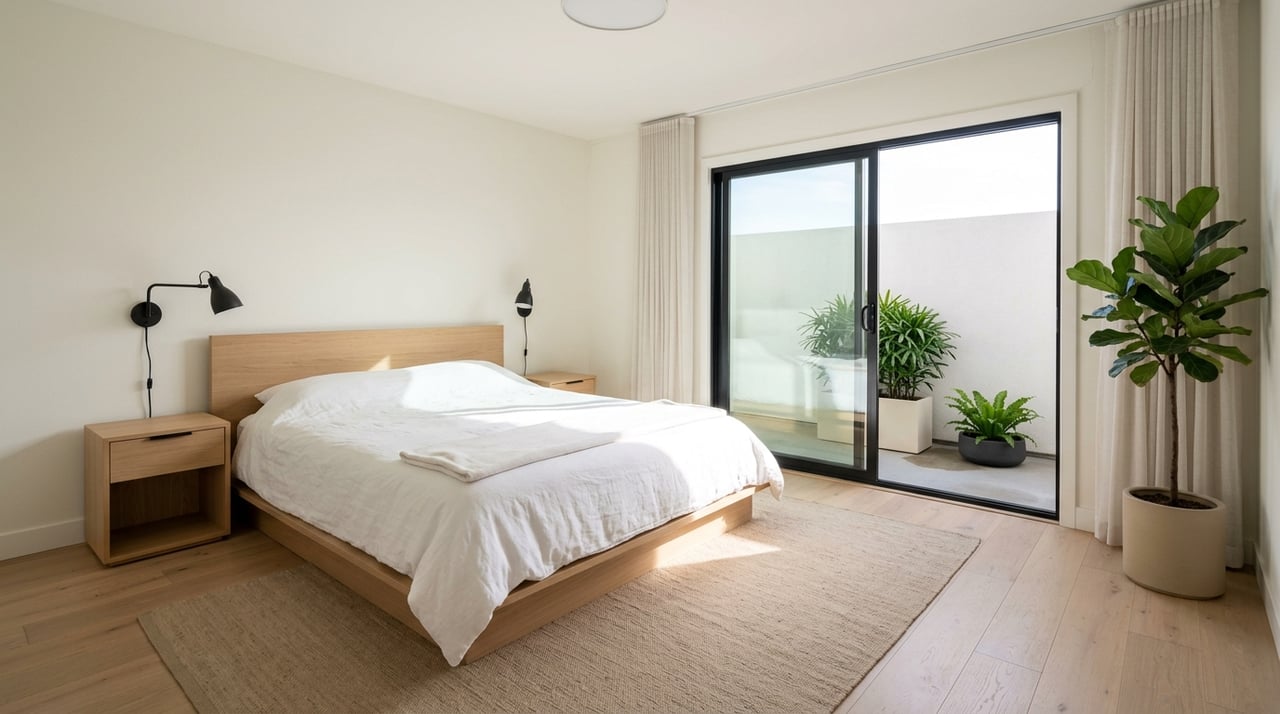
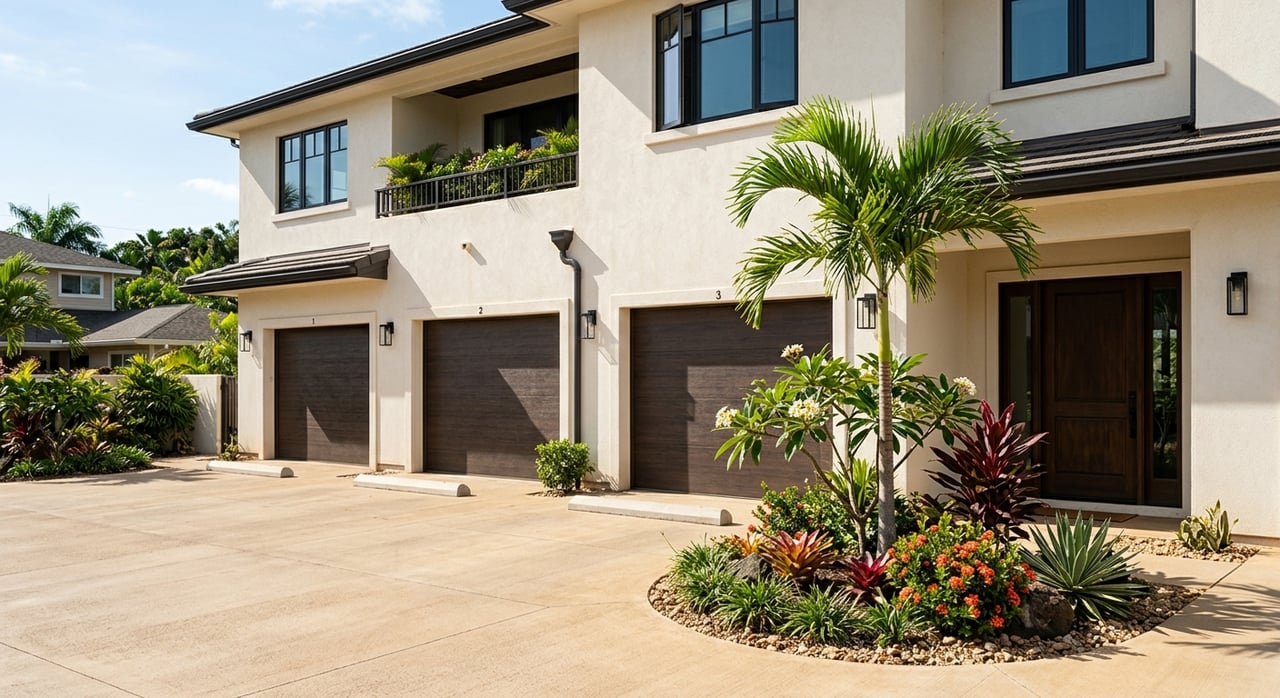
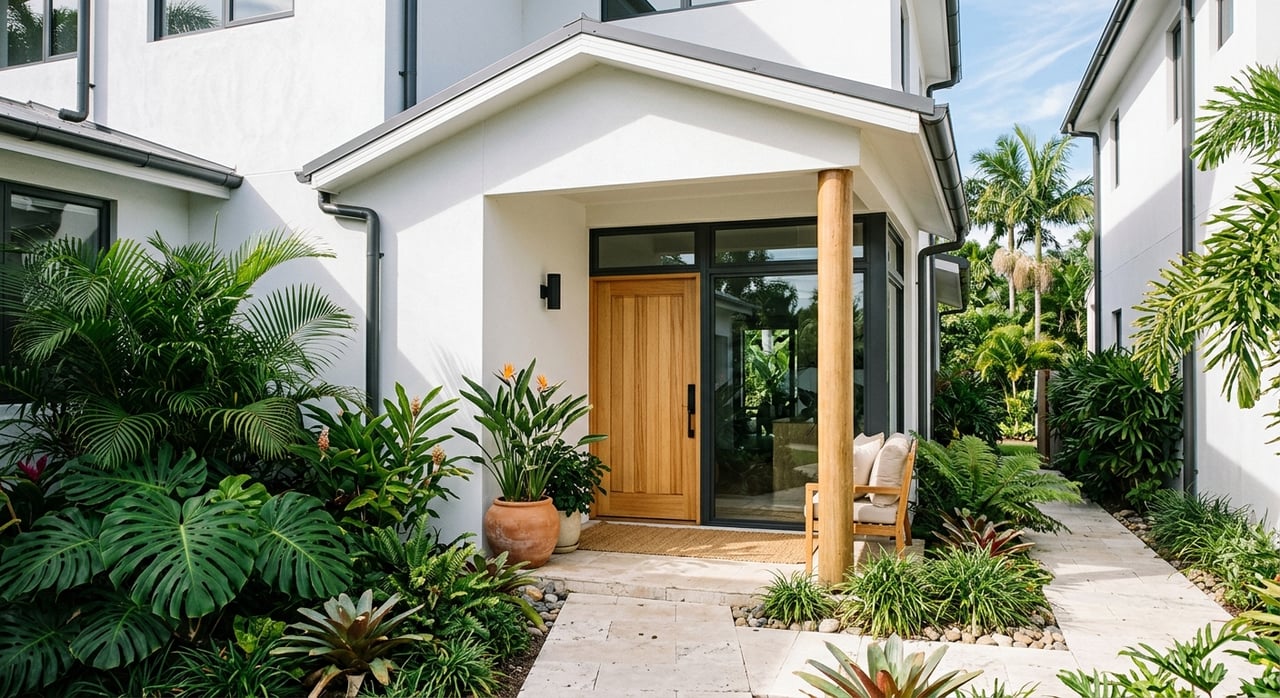
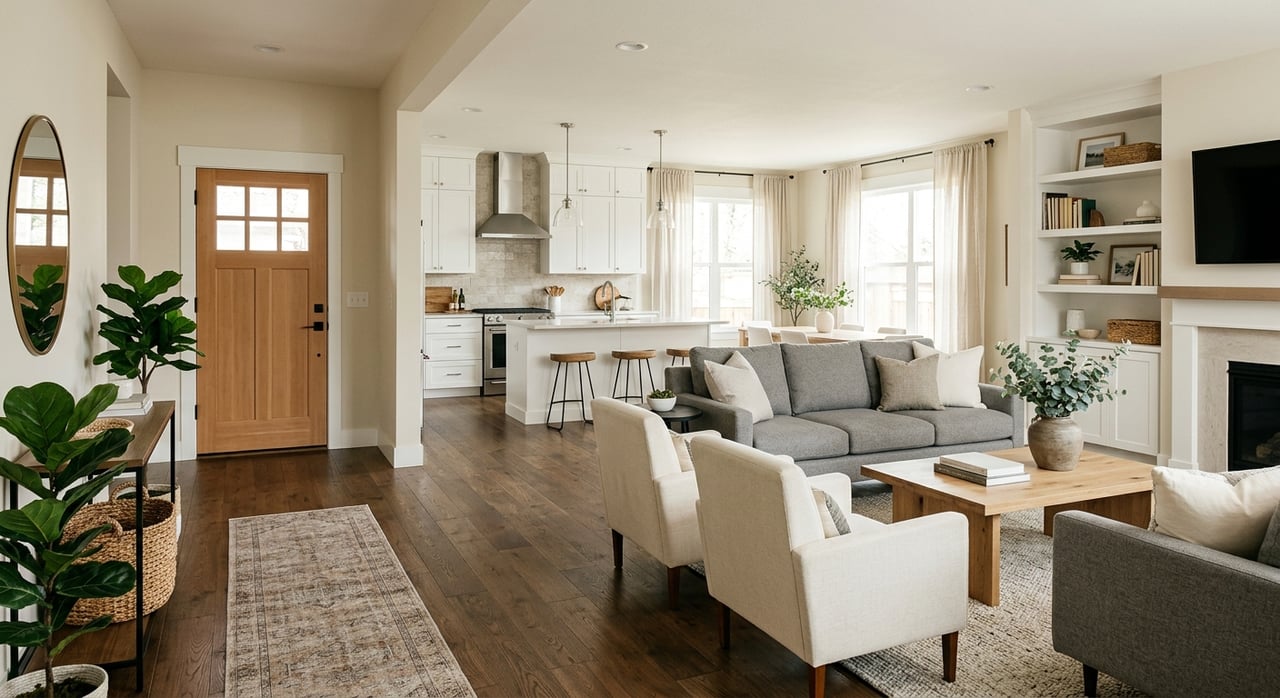
Most buyers will first experience your home online. That means your listing has to feel clean, bright, and easy to understand in just a few seconds. Good preparation is not about making your home look perfect. It is about helping buyers feel confident enough to schedule a showing.
According to 2025 staging research, 83% of buyers’ agents said staging helps buyers visualize a property as their future home. Nearly half of sellers’ agents said staging reduced time on market, and 29% said it increased the dollar value offered by 1% to 10%. In a market where first impressions matter, those details can influence how quickly buyers engage.
For Kapolei sellers, prep usually means practical improvements buyers notice right away:
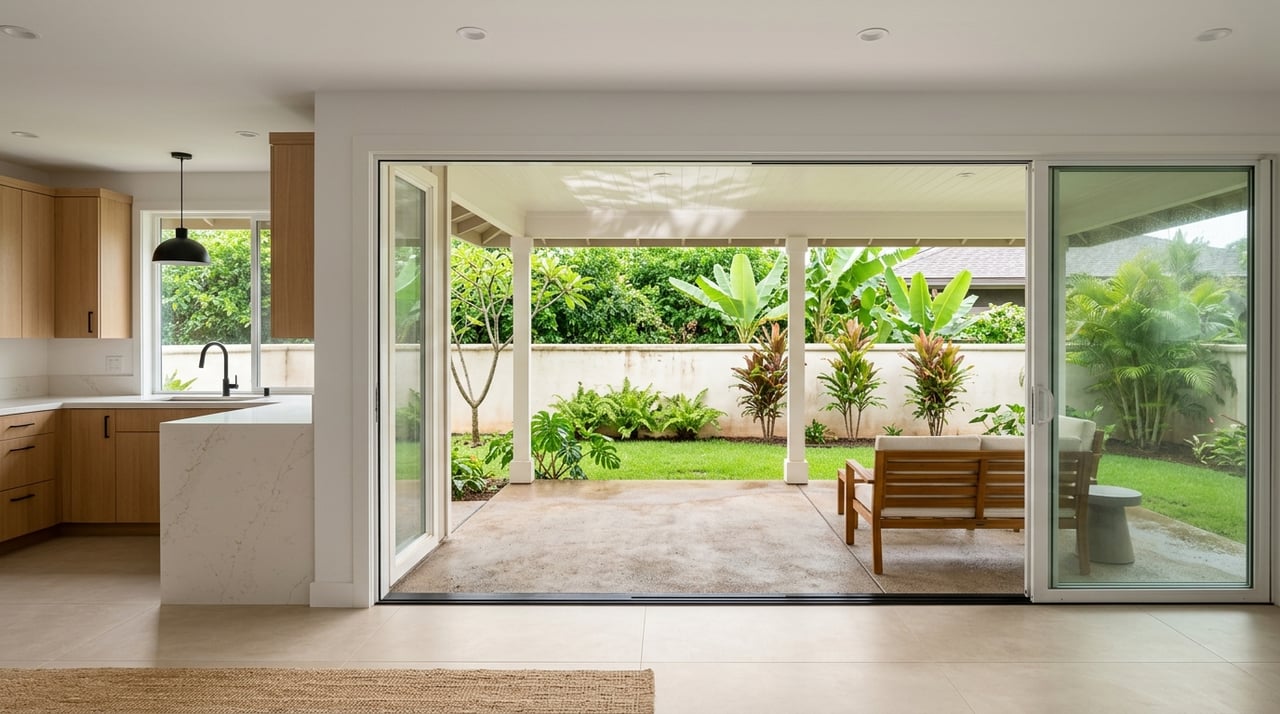
If your home is a condo or townhome, buyers may also pay close attention to parking, storage, lanai space, and shared amenities. These features help them compare daily livability, not just square footage.
Before listing, it is smart to assume that buyers will look beyond price. In Kapolei, many of the most common questions are about ongoing cost, ownership structure, and day-to-day use of the property. Being ready with answers can reduce stress once your home is live.
For many properties, buyers want to know:
If your property is subject to a recorded declaration, Hawaii law requires sellers to provide governing documents, bylaws, declarations, and rules covering common areas, maintenance responsibilities, and regular assessments. Buyers often review these closely because the documents affect both cost and day-to-day ownership.
That is one reason condos and townhomes can require more preparation before listing. The paperwork itself is part of the value story. If those documents are organized early, your sale often feels smoother to buyers.
Hawaii law also requires a good-faith electricity-cost declaration when the owner directly pays the electric bill. That means buyers may ask practical questions about monthly expenses early in the process. Clear, organized answers can help them evaluate the home with fewer unknowns.
Disclosure is not something to leave for later. Hawaii residential sellers are required to provide a written disclosure statement, and the timing rules matter. If you wait too long to gather information, you can create avoidable delays after you accept an offer.
Under HRS Chapter 508D, the disclosure statement must be signed and dated within six months before or ten calendar days after acceptance. It must be delivered to the buyer no later than ten calendar days after acceptance, and the buyer has fifteen calendar days to examine it and potentially rescind.
If a new material fact comes up before recording, the disclosure must be amended. That makes accuracy and communication especially important from the beginning. Sellers should also expect buyers to ask follow-up questions about condition, prior repairs, and past issues, since the statutory form itself points buyers toward professional advice and inspections.
A smoother listing often starts with document collection, not just photos and signage. Before your home goes live, it helps to gather:
When these are ready early, you reduce the chance of scrambling once an offer comes in.
The launch window sets the tone for your listing. Market data shows strong buyer activity, with pending sales up 8.8% for single-family homes and 7.0% for condos in the May 2026 Honolulu Board of Realtors report. Active inventory also remained below 2025 levels, which supports opportunity for well-prepared listings.
That said, active demand does not mean buyers ignore value. If your home enters the market at the wrong price or with weak presentation, those early days can become a missed opportunity. Buyers often react most strongly when a listing is fresh.
A practical pre-list plan usually looks like this:
This order helps you stay organized while giving buyers what they need to make a decision. It also supports calm, proactive communication once showings begin.
Kapolei is part of Honolulu’s directed-growth area and is described in the Ewa Development Plan as Oahu’s secondary urban center. The Skyline system already includes stations at East Kapolei and Keoneʻae. That broader context shapes how buyers think about convenience, commute patterns, and future growth.
In other words, buyers are not only comparing your home to the house next door. They may also compare access, transit options, nearby development, and how the property fits their daily routine. Sellers who understand this tend to price and position their homes more thoughtfully.
If you want the short version, here it is: prepare early, price from real comps, and be ready for detailed buyer questions. In Kapolei, success before listing usually comes down to accuracy, presentation, and timing. Those three things can shape how buyers respond long before negotiations begin.
Working with someone who knows the Kapolei and West Oahu market can help you sort through pricing, prep, disclosures, and launch timing with less stress. If you are getting ready to sell and want clear guidance from the start, connect with Jasmin Cadiz for practical support tailored to your next move.
Stay up to date on the latest real estate trends.
I am committed to guiding you every step of the way—whether you're buying a home, selling a property, or securing a mortgage. Whatever your needs, I've got you covered.

Jasmin Cadiz
91-1010 Shangrila St Ste 307 Kapolei HI 96707