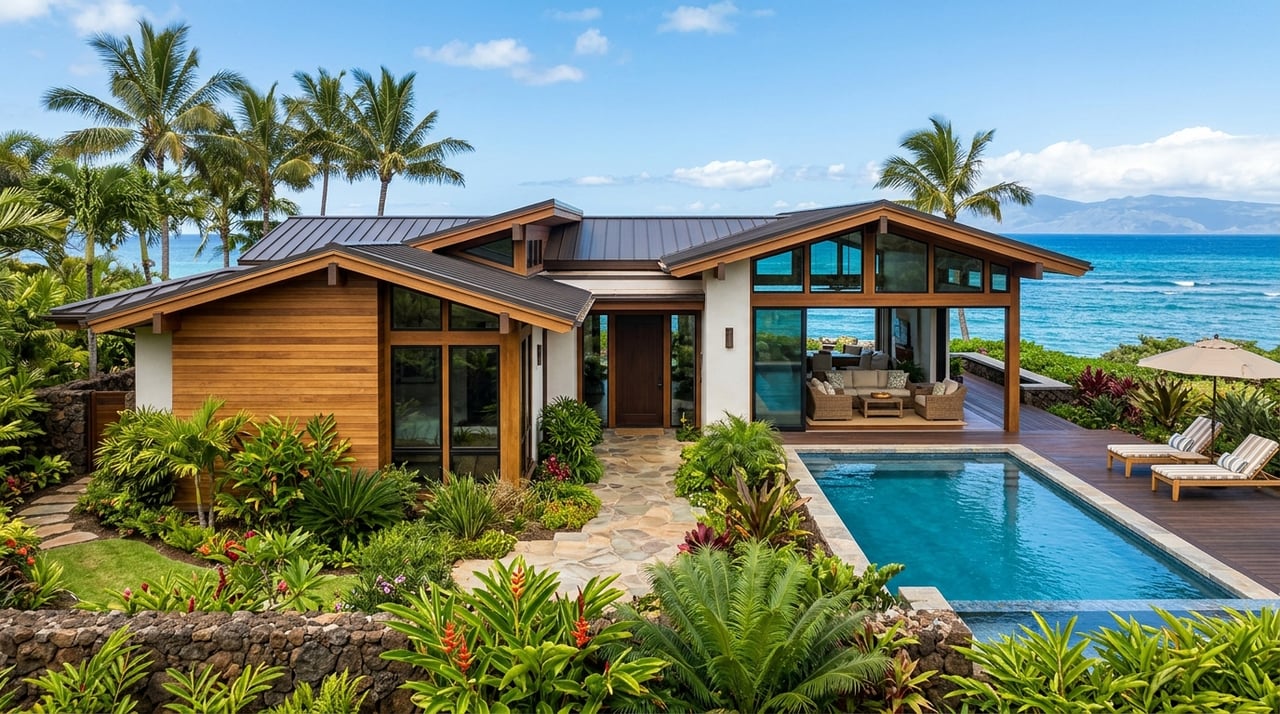
Waimanalo Beach Lifestyle Guide for Daily Living
July 2, 2026
July 2, 2026
What if the real story of Waimānalo Beach has less to do with postcard views and more to do with how people actually live there? If you are curious about what daily life feels like in this part of Oahu, it helps to look past the sand and scenery. You will get a clearer picture of the housing, the pace, the community anchors, and the routines that shape life here. Let’s dive in.
Waimānalo Beach is part of a broader community that feels established, low-density, and deeply place-based. Census data for the Waimānalo CDP shows a 73.6% owner-occupied rate, a median owner value of $799,200, a median gross rent of $1,764, and an average household size of 4.12 people from 2020 through 2024.
Those numbers suggest a market shaped more by long-term living than short-term turnover. For you as a buyer, that can mean a setting where homes are closely tied to everyday life, family routines, and staying power.
Part of what makes Waimānalo feel different is its land-use pattern. The Department of Hawaiian Home Lands describes the area as one of the first Hawaiian homestead communities in the Territory, with 1,914 acres of DHHL land in Waimānalo and 685 homestead leases, almost all residential.
The same regional plan notes that much of the region is zoned for preservation or agriculture, while the Waimānalo Homestead is zoned residential. That mix helps explain the area’s rural-feeling character and why it does not read like a condo-heavy or resort-centered part of the island.
In Waimānalo, the shoreline is not just a scenic backdrop. It is one of the main public amenities that helps define the rhythm of the area.
Hawaiʻi State Parks describes Waimānalo Bay Beach Park as nearly three miles long, with calm water, free parking, and camping by permit. City camping rules also list both Waimānalo Bay Beach Park and Waimānalo Beach Park as permitted campgrounds, with 10 and 19 campsites.
That tells you something important about the area. The beach is used in a practical, public, and community-oriented way, not simply admired from a distance.
The coastline from Waimānalo to Makapuʻu includes community-use lands such as Waimānalo Beach Park, Kaiona Beach Park, Kaupō Beach Park, Makapuʻu Beach Park, and the Makapuʻu Lookout, according to DHHL. For residents, that means outdoor access is built into the surrounding landscape.
You may find that daily life here naturally leans outdoors. Morning walks, beach time, and simple oceanfront routines can feel more central than entertainment districts or amenity-packed developments.
Beach life also comes with practical awareness. Honolulu Emergency Services says ocean conditions can change quickly, and beachgoers should check conditions or speak with a lifeguard before entering the water.
The City replaced older Ocean Safety towers at Waimānalo Beach Park in 2024, which points to ongoing investment in public beach safety infrastructure. For residents and visitors alike, that is a meaningful part of how the beach is cared for.
One of the clearest things about Waimānalo is that its rhythm is anchored by community institutions, not a large commercial strip. That creates a very different feel from areas where daily life revolves around shopping centers or dense mixed-use hubs.
Instead, public records and community resources point to a place where schools, health care, civic meetings, and community gathering spaces play a central role. If you are considering a move here, that is an important lens for understanding the neighborhood.
Waimānalo Health Center says it is located in the center of Waimānalo and offers family medicine, behavioral health, and WIC. It also runs the Waimānalo Farmers Market every Wednesday from 2:00 p.m. to 5:15 p.m. at Waimānalo Elementary & Intermediate School, with SNAP and EBT accepted.
That kind of detail says a lot about the area. Community life here is often tied to useful, recurring, local-serving resources rather than broad commercial activity.
Waimānalo Elementary & Intermediate School is a K-8 school serving about 320 students in the rural community of Waimānalo. Its School Community Council meets on the first Thursday of every month, and Blanche Pope Elementary is the intermediate feeder school.
For buyers, the key takeaway is not ranking or comparison. It is that local school schedules, meetings, and community use of school spaces help shape the pace of everyday life.
DHHL notes that the Waimānalo Hawaiian Homestead Association has a community center on about five acres. The site includes a comfort station, hālau, office space, a certified kitchen, and overflow event space.
That helps explain why the public calendar in Waimānalo tends to feel community-focused. Gatherings and civic activity appear to center more on shared local spaces than on large entertainment venues.
If you are expecting a major retail corridor, Waimānalo may feel more limited than other parts of Oahu. The public record supports a description of local business life as compact and local-serving rather than broad and mall-oriented.
That does not mean the area lacks daily essentials. It means your expectations should match the setting: more modest commercial footprint, more residential focus, and a stronger connection to community spaces and outdoor amenities.
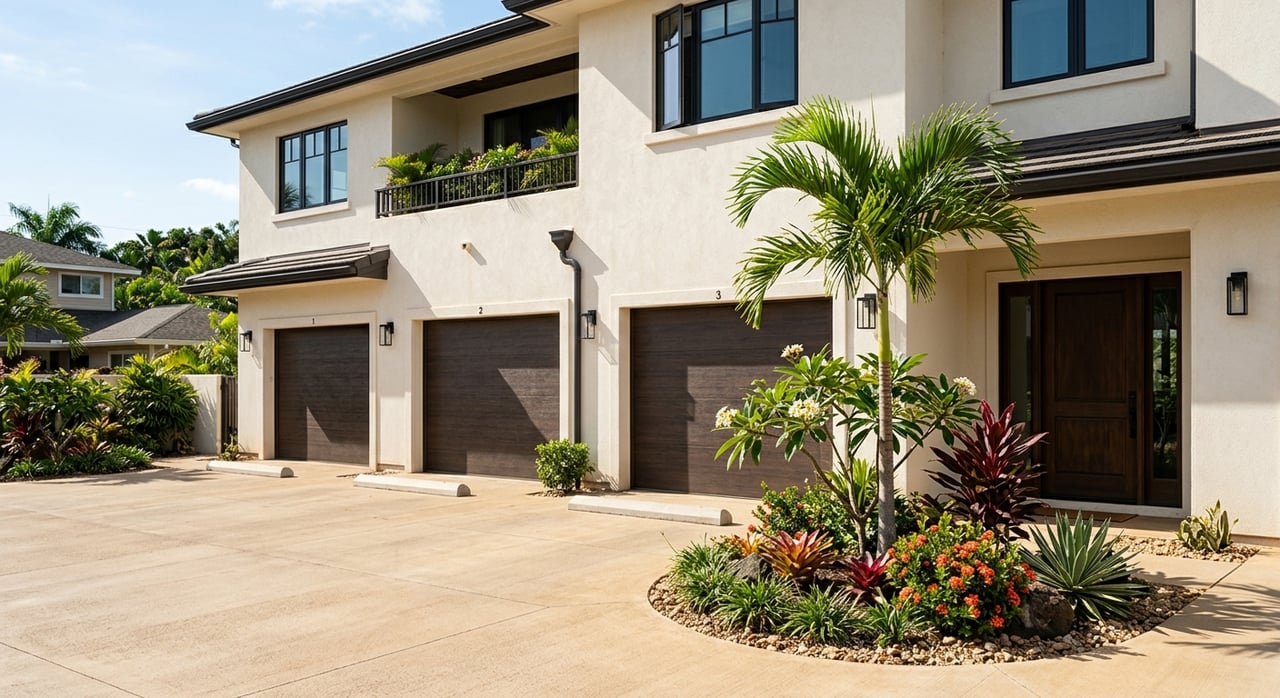
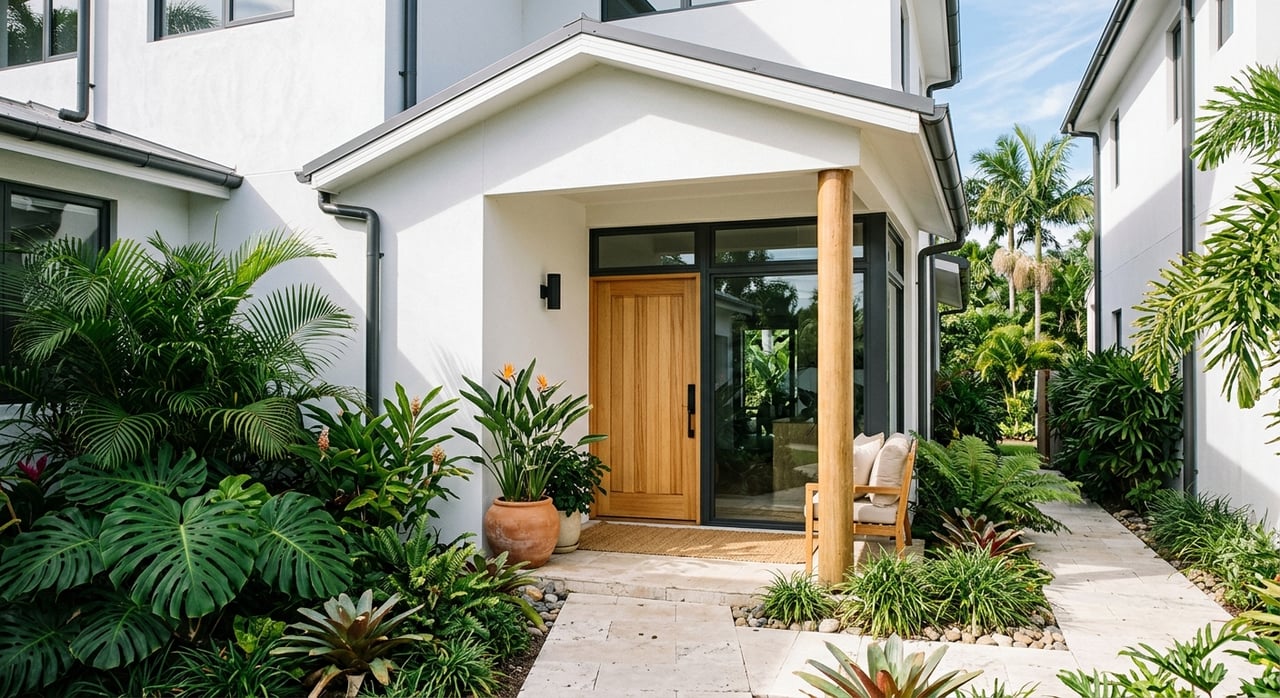
From a housing perspective, Waimānalo stands apart from condo-heavy parts of Oahu. The public data points to a residential pattern built around larger households, owner occupancy, homestead lots, and low-rise living.
If you are home shopping here, it helps to think in terms of space, land use, and neighborhood character rather than towers, resort amenities, or high-density inventory. That can make Waimānalo especially appealing if you value a more grounded residential setting.
DHHL lists practical housing types in Waimānalo that include:
The regional plan also notes two subsistence agriculture homesteads and ongoing work to create additional homesteading opportunities on formerly agricultural land. Together, those details reinforce the area’s strong land-based identity.
Waimānalo is not the kind of place you choose only for a pretty beach day. It is a place where land use, community institutions, and public shoreline access all shape the way people live.
If you are considering a move, here are a few realistic expectations to keep in mind:
For the right buyer, those qualities can be the whole appeal. You may be drawn to Waimānalo because it feels calmer, more rooted, and more connected to land and shoreline than many other Oahu neighborhoods.
Neighborhood photos can inspire you, but they rarely tell you how a place functions day to day. In Waimānalo, the practical story matters just as much as the visual one.
Understanding the owner-occupied housing base, the agricultural and preservation zoning, the role of homestead land, and the importance of local institutions gives you a more honest picture of what living here may feel like. That kind of clarity can help you decide whether Waimānalo fits your goals, your routine, and the kind of home life you want to build on Oahu.
If you want help exploring Oahu neighborhoods with clear, steady guidance, Jasmin Cadiz can help you understand your options and move forward with confidence.
Stay up to date on the latest real estate trends.
I am committed to guiding you every step of the way—whether you're buying a home, selling a property, or securing a mortgage. Whatever your needs, I've got you covered.
Jasmin Cadiz
91-1010 Shangrila St Ste 307 Kapolei HI 96707